
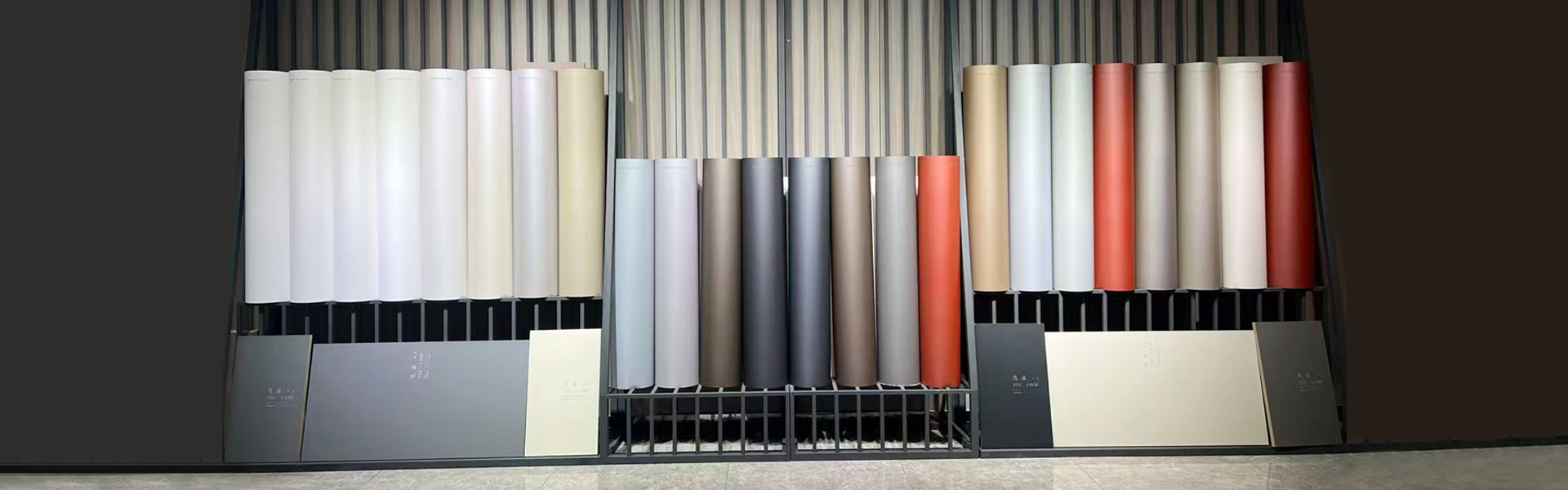
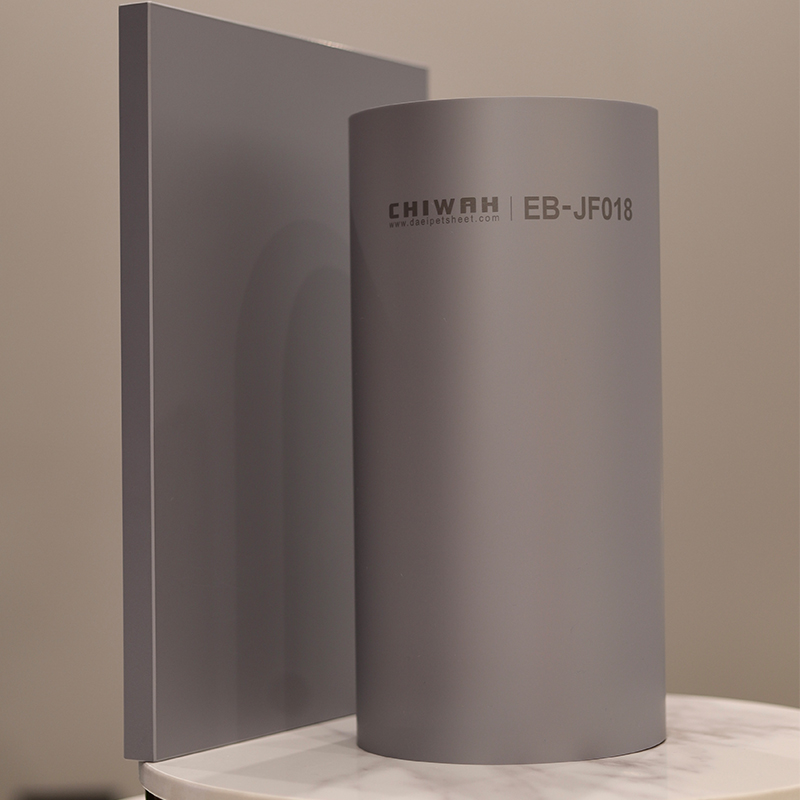
PETG sheet (Polyethylene Terephthalate Glycol, PETG Sheet) is a high-performance thermoplastic polymer material widely used in many industries. Due to its excellent physical and chemical properties, PETG sheet has been widely used in advertising, display, medical, packaging and other fields.
However, in practical applications, the effect of temperature on petg plastic sheet cannot be ignored. This article will discuss in detail the performance of PETG sheet at different temperatures, especially its bending temperature.
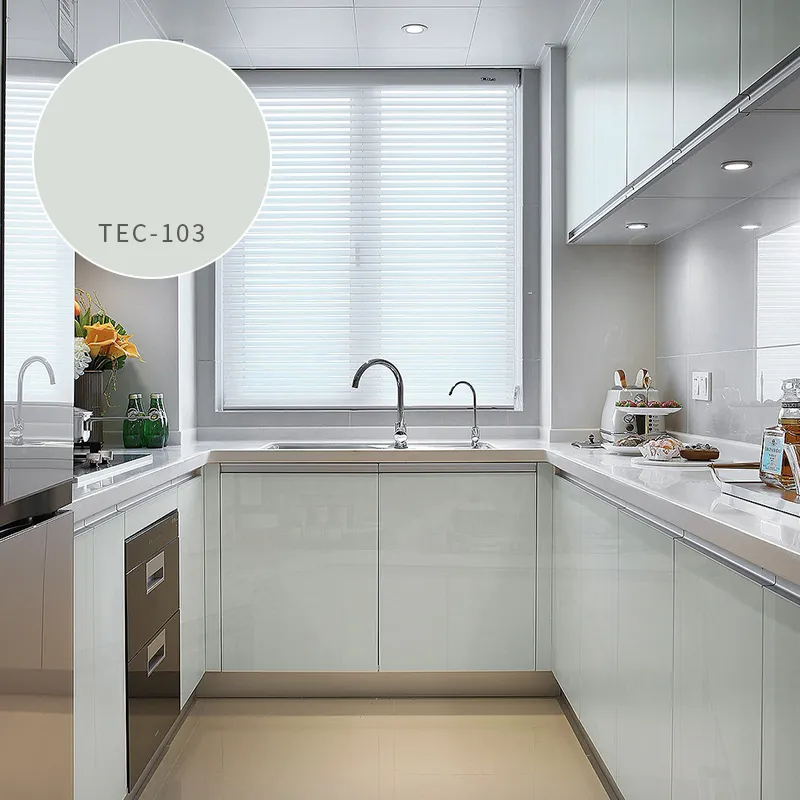
Performance of PETG sheet at different temperatures
1. Glass transition temperature (Tg):
The glass transition temperature (Tg) of PETG sheet is about 80°C. At temperatures below Tg, PETG sheet behaves as a hard and brittle glass state; at temperatures above Tg, PETG sheet behaves as a soft and tough rubber state. This means that at room temperature (about 25°C), PETG sheet has good rigidity and hardness.
2. Heat Deflection Temperature:
The heat deformation temperature (HDT, Heat Deflection Temperature) of PETG sheet is about 70°C. When approaching or exceeding this temperature, PETG sheet begins to soften and deform. Heat deformation temperature is an important indicator for evaluating the material's ability to withstand mechanical loads under high temperature conditions.
3. Melting point:
The melting point of PETG sheet is around 230°C. At this temperature, PETG sheet will completely melt and lose its solid form. In practical applications, this temperature is far beyond most use environments, so PETG sheet will not reach a molten state under normal use conditions.

At what temperature will PETG sheet (SHEET) bend?
PETG sheet begins to show significant softness and bendability in the temperature range between above its glass transition temperature (80°C) and below its melting point (230°C). Generally, PETG sheet becomes soft enough between 80°C and 120°C to be bent manually or mechanically without breaking or damage.
In practical applications, the bending process of PETG sheet is usually carried out between 100°C and 120°C. This is because within this temperature range, the sheet is neither too soft to control the shape nor too hard to bend. By heating to this temperature range, PETG sheets can be safely bent into various desired shapes, maintaining good surface quality and structural integrity.
Factors affecting bending:
In addition to temperature, there are other key factors to consider when bending PETG sheets:
● Heating time: The length of heating time directly affects the softness and bending effect of the sheet. Generally, thicker sheets require longer heating time.
● Bending speed: Bending too fast may cause the sheet to break or produce irregular deformation. The appropriate bending speed can ensure a uniform bending effect.
● Cooling process: After bending, an appropriate cooling process is required to fix the new shape of the sheet. Too fast or too slow cooling will affect the final bending quality.
Application cases of PETG sheet bending
1. Advertising display racks:
PETG sheets are often used to make advertising display racks. Their high transparency and good bendability enable them to make various display racks with beautiful curves and complex shapes. By heating and bending within the appropriate temperature range, designers can achieve a variety of creative designs.
2. Mechanical shields:
In mechanical equipment, PETG sheets are often used to make shields and isolation screens. Its excellent impact resistance and transparency enable operators to clearly observe the operating status of the equipment while providing necessary safety protection. Through bending, the PETG shield can better adapt to the shape and structure of the equipment.
3. Medical device housing:
PETG sheets are widely used in the production of medical device housings. Its chemical corrosion resistance and biocompatibility ensure the safety and durability of medical devices. Through bending, PETG sheets can be made into ergonomically designed housings to improve the comfort and safety of equipment.
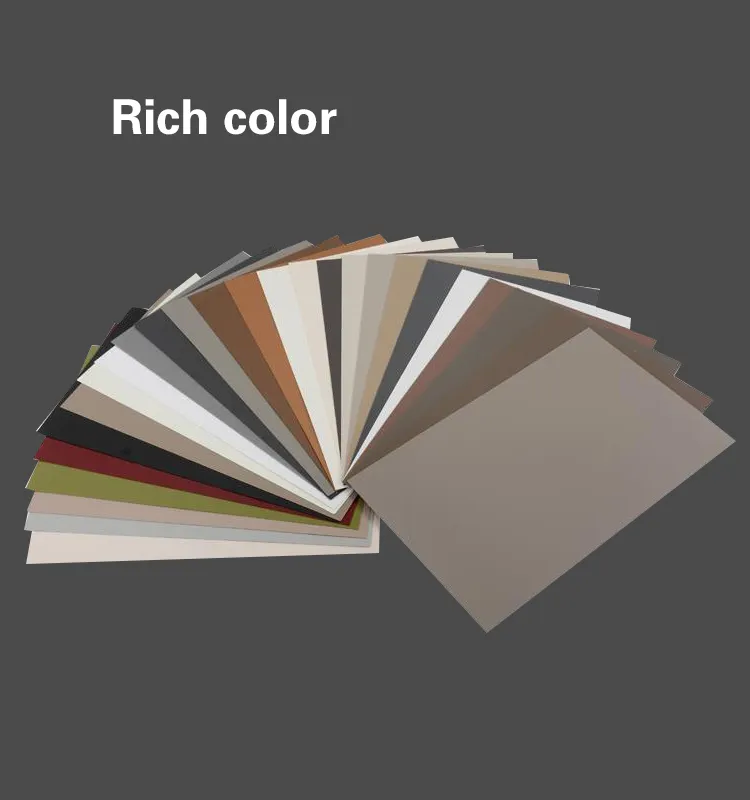
Precautions for using petg plastic sheets
1. Temperature control:
When processing petg plastic sheets, temperature control is the key. Too high a temperature may cause the sheet to soften or melt excessively, and too low a temperature may not achieve the ideal bending effect. Therefore, it is crucial to choose the right heating equipment and a precise temperature control system.
2. Avoid excessive bending:
Although petg plastic sheets have good bending properties, excessive bending may cause material stress concentration, cracks or fractures. In actual operation, the bending angle should be reasonably controlled according to the thickness of the sheet and the bending radius.
3. Prevent surface scratches
The surface of petg plastic sheet is relatively soft and easy to be scratched. Avoid contact with hard objects during processing and use, and use protective film for protection if necessary.
4. Weather resistance considerations:
Although PETG sheet has good physical properties, its weather resistance is general, and long-term exposure to ultraviolet rays and outdoor environments may cause yellowing and aging. Therefore, anti-ultraviolet protection measures should be taken when used outdoors.

Summary
As a high-performance material, PETG sheet has been widely used in many fields due to its high transparency, excellent impact resistance and good processing performance.
Through correct temperature control and reasonable processing technology, PETG sheet can achieve bending processing of various complex shapes to meet the needs of different application scenarios.
In actual operation, users should choose appropriate temperature and processing methods according to specific needs, give full play to the advantages of PETG sheet, and improve the quality and use effect of products.