
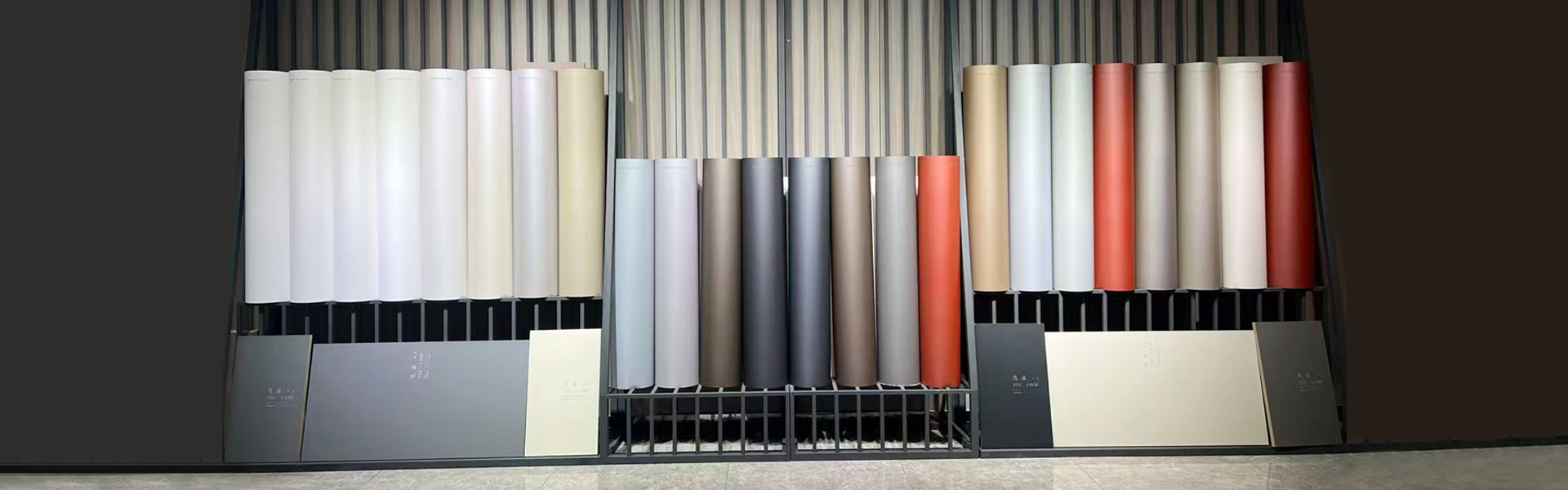
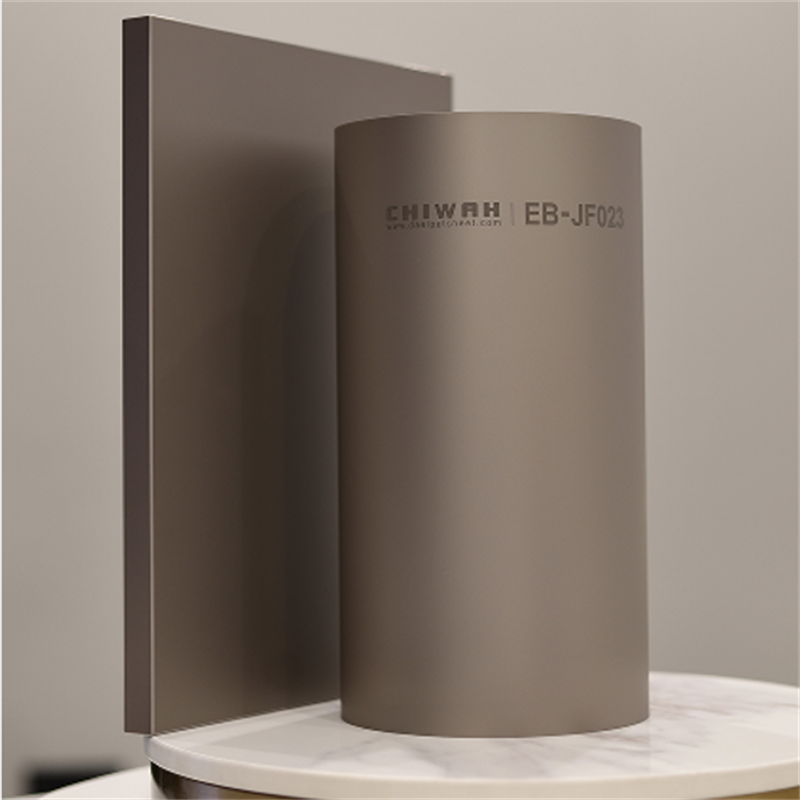
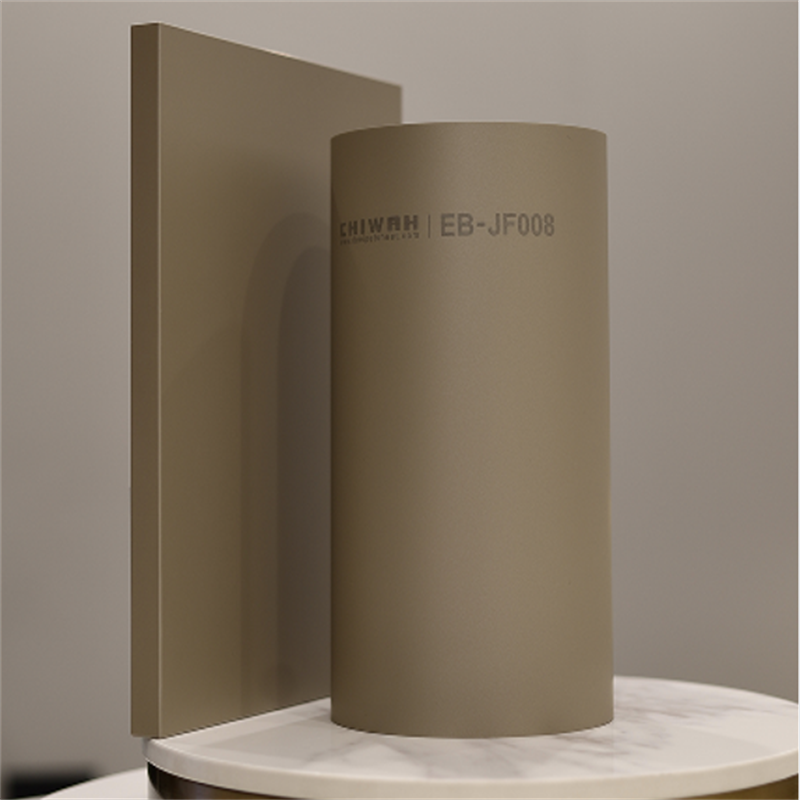
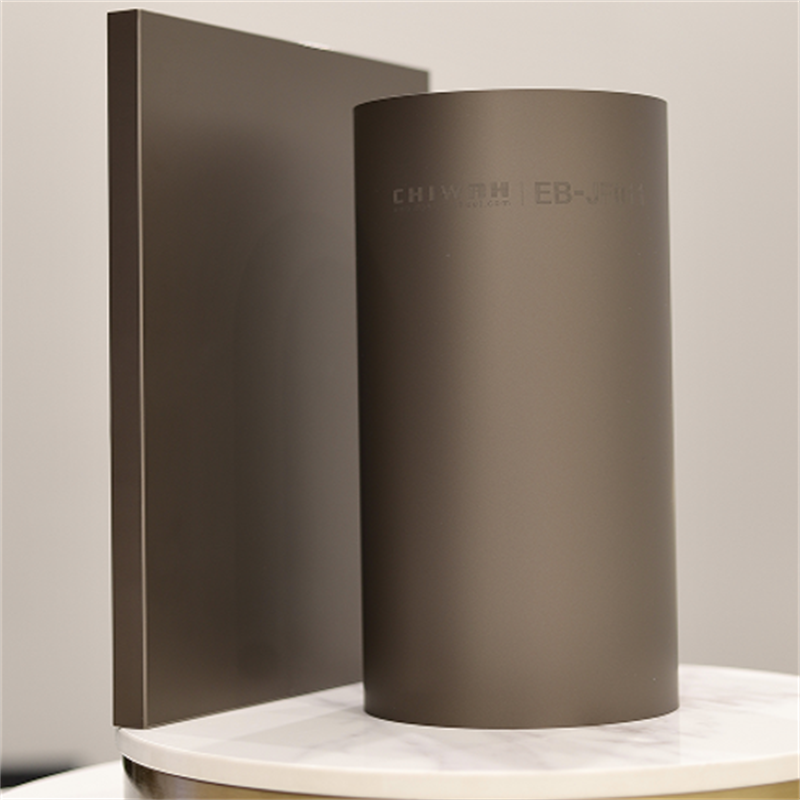
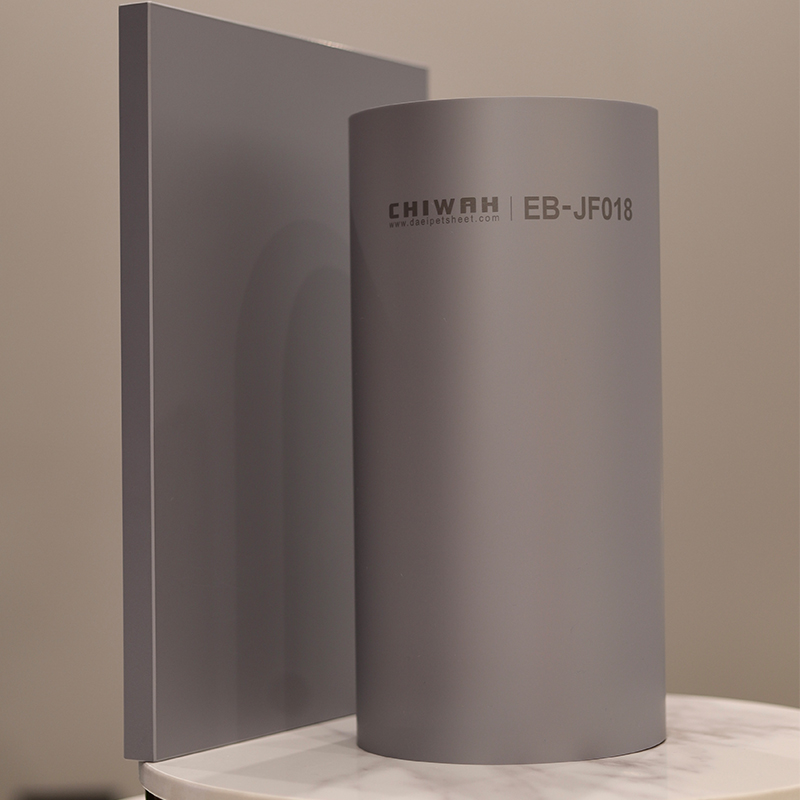
EB film (Electron Beam Film, referred to as EB Film) and EB sheet (Electron Beam Sheet, referred to as EB Sheet) are two materials widely used in many industries. Although they have been processed by electron beam (Electron Beam, referred to as EB), There are significant differences in characteristics and applications.
This article will discuss in detail the definitions, characteristics, application areas and main differences between EB films and EB sheets to help readers have a more comprehensive understanding of these two materials.
What are EB film and EB sheet?
1. Definition of EB Film:
EB film is a plastic film treated by electron beam irradiation. Electron beam treatment can change the physical and chemical properties of the film, improving its abrasion, chemical, heat and UV resistance. Common EB film materials include polyethylene (PE), polypropylene (PP), polyester (PET), etc.
2. Definition of EB Sheet:
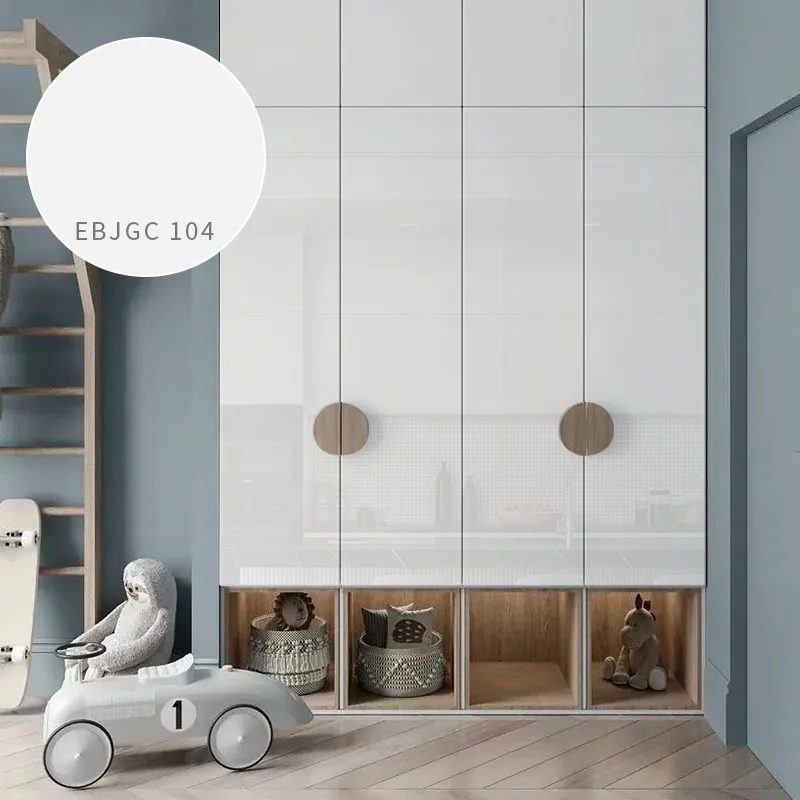
EB sheet is a plastic sheet processed by electron beam irradiation. Compared with EB films, EB sheets are thicker and are usually used in applications requiring higher strength and rigidity. Common EB board materials also include polyethylene, polypropylene, polyester, etc.
The main features of EB film and EB sheet
1. Characteristics of EB film:
● High transparency: EB films generally have high transparency and are suitable for applications requiring high optical performance, such as packaging and displays.
● Flexibility: Due to its smaller thickness, EB film has good flexibility and is easy to process and shape.
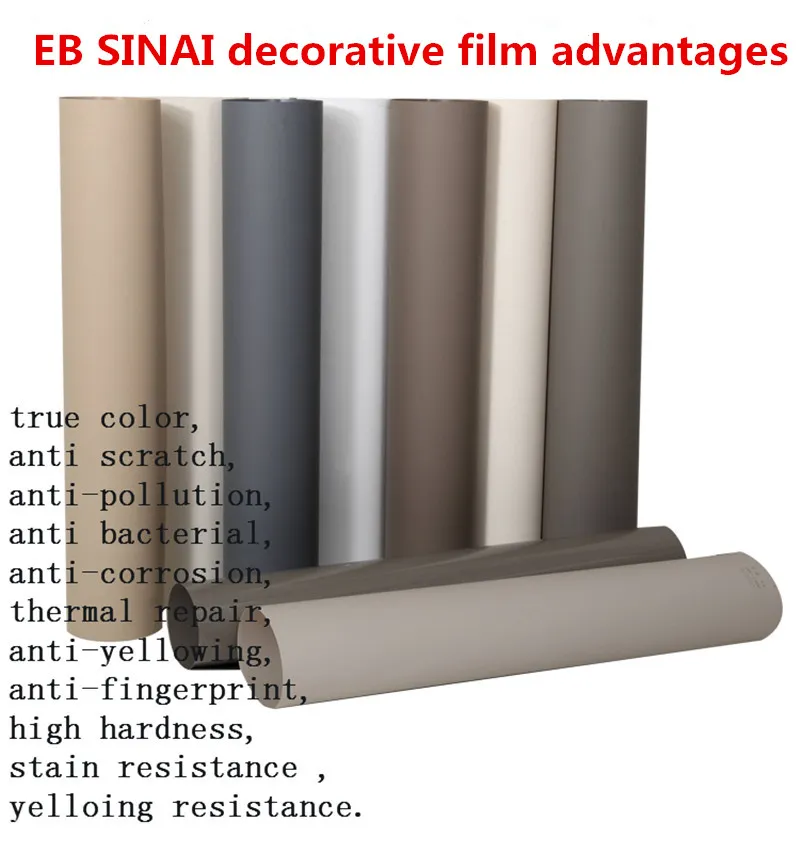
● Abrasion and chemical resistance: Electron beam treatment significantly improves the film's abrasion and chemical resistance, extending its service life.
● Lightweight: EB film is lightweight and easy to transport and install.
2. Characteristics of EB board:
● High strength and rigidity: EB panels have high strength and rigidity and are suitable for structural applications.
● Heat resistance and UV resistance: Electron beam treatment improves the heat resistance and UV resistance of the board, making it suitable for outdoor and high-temperature environments.
● Dimensional stability: EB sheets have good dimensional stability and are not easily deformed.
● Workability: Despite its large thickness, EB sheets are easy to cut, drill and thermoform.

Application fields of EB film and EB sheet
1. Application fields of EB film:
● Food packaging: EB film is often used in food packaging because its high transparency and chemical resistance can effectively protect food while maintaining good display effects.
● Medical packaging: In the medical field, EB film is used to package drugs and medical devices. Its chemical resistance and high cleanliness ensure the safety of the packaging contents.
● Optical applications: Due to its excellent optical properties, EB film is widely used in displays, optical lenses, optical protective films and other fields.
● Electronic products: EB films play an important role in applications such as protective films, insulating films and conductive films for electronic products.
2. Application areas of EB boards:
● Construction and decoration: EB boards are used in construction and decoration fields, such as wall panels, ceilings and floors, and their high strength and durability provide reliable structural support.
● Machinery and equipment casings: In the industrial field, EB sheets are often used in machinery and equipment casings, providing good mechanical strength and chemical resistance.
● Transportation: EB sheets are used in the internal structures and decorative parts of cars, trains and airplanes. Due to their high strength and lightweight characteristics, they effectively reduce the weight of transportation and improve fuel efficiency.
● Advertising and display: In the field of advertising and display, EB sheets are used to make billboards and display stands. Its good processing performance and surface quality improve the display effect.
What is the difference between EB film and EB sheet?
1. Difference in thickness:
The most significant difference between EB film and EB sheet is the thickness. The thickness of EB film is small, usually between a few microns and hundreds of microns, and has good flexibility. The EB plate has a larger thickness, usually between a few millimeters and tens of millimeters, and has higher strength and rigidity.
2. Differences in application fields:
Due to differences in thickness and mechanical properties, there are significant differences in the application fields of EB films and EB sheets. EB films are more used in the fields of packaging, optics and electronic products, while EB sheets are widely used in construction, machinery and transportation fields.
3. Differences in processing performance:
Due to its smaller thickness, EB film is easy to curl, cut and heat seal, making it suitable for high-speed automated production lines. EB sheets require more complex processing equipment and processes, such as cutting, drilling and thermoforming, to meet the needs of different shapes and sizes.
4. Differences in physical properties:
The flexibility and transparency of EB films make them excellent in applications requiring high optical performance and softness. The high strength and rigidity of EB sheets make them more suitable for applications that require structural support and impact resistance.
5. Price difference:
Due to different production processes and application scenarios, the costs of EB films and EB sheets are also different. Generally speaking, the production cost of EB boards is higher because of the large amount of material used and the difficulty of processing. The production cost of EB film is relatively low due to the small amount of material used.
Conclusion
EB film and EB sheet are two high-performance materials processed by electron beam irradiation. Although they have many similarities in basic characteristics, there are significant differences in thickness, application fields, processing performance and price.
In the future, with the continuous advancement of electron beam irradiation technology and the continuous expansion of application fields, EB films and EB sheets will continue to play an important role in multiple industries.