Products

Featured products

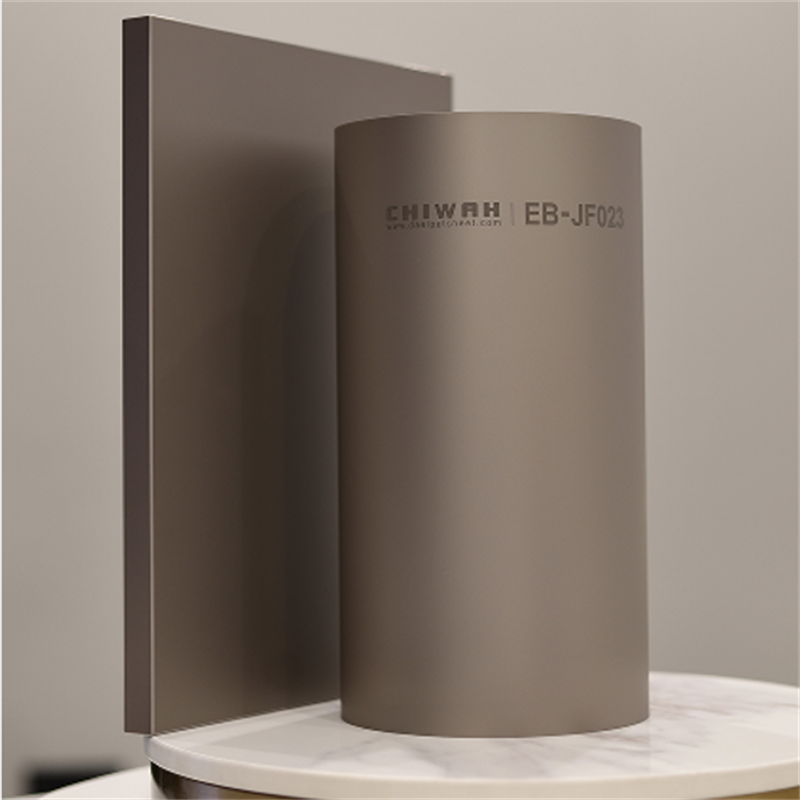
  • Eco-friendly Anti bacterial Oil Resistance Stain Resistance Scratch resistance petg film
    Eco-friendly Anti bacterial Oil Resistance Stain Resistance Scratch resistance petg film
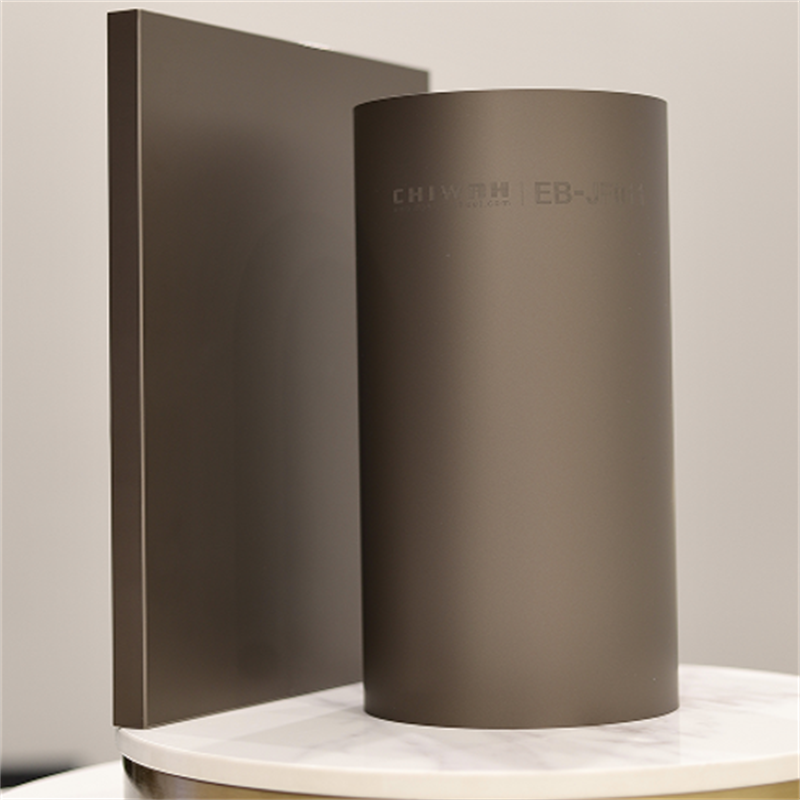
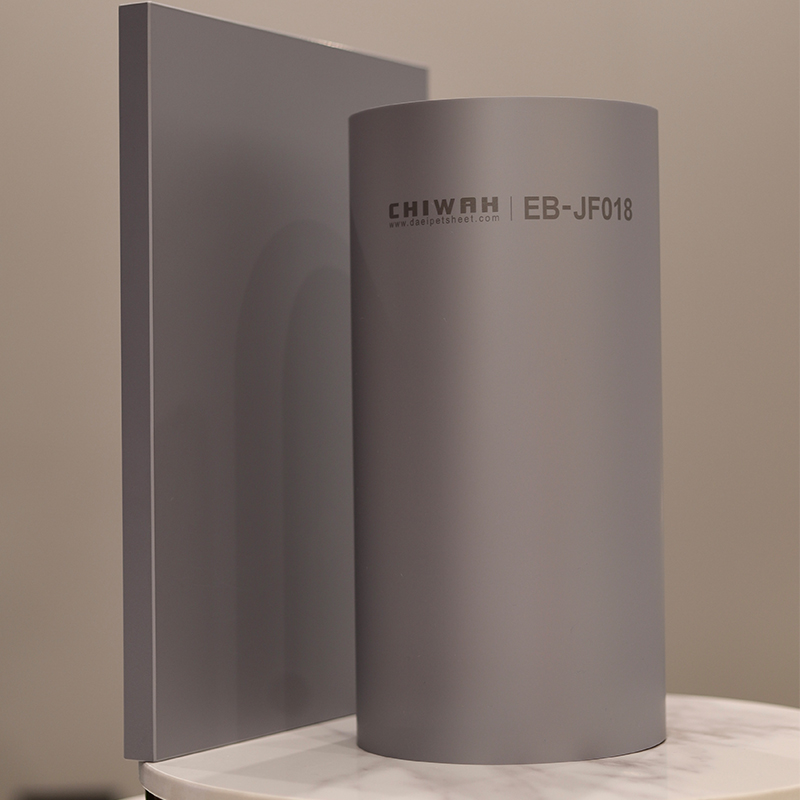
    What is the difference between EB film and other decorative films There are three differences between EB film and other decorative films: 1. Different raw materials, 2. Different production processes, and 3. Different overall performance. In terms of materials, the production process of imported environmentally friendly polymer materials is EB production process, with a curing rate of up to 99.9% and the most outstanding resistance to yellowing. In terms of performance, it is weather resistant, sun resistant, yellowing resistant, stain resistant, dirt resistant, easy to clean, scratch resistant, scratch resistant, high hardness, oil and chemical resistant. Secondly, it can repair minor scratches and heat, resist fingerprints, and prevent mold and bacteria.
    More
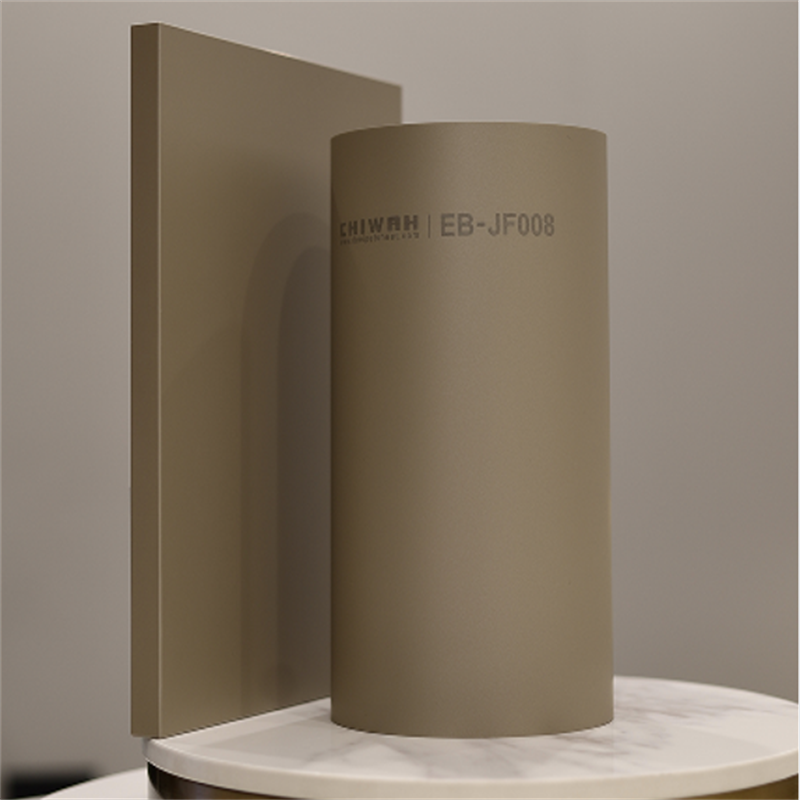
  • Europe Standard anti yellowing over 10 years Interior decorative Laminate film
    Europe Standard anti yellowing over 10 years Interior decorative Laminate film
    What is EB? EB stands for Electron Beam Curing in English, while its Chinese name is Electron Beam Curing. It is the use of an electron accelerator to generate high-energy electron beams close to the speed of light, which are precisely emitted onto the surface of the processed material, directly triggering the polymerization or crosslinking of polymer resins to form functional coatings. Moreover, our company is the first production line of EB technology imported equipment decoration facial mask in China. The characteristics of EB technology. Highly concentrated, high utilization rate, 5 milliseconds curing completion, no color blocking, complete reaction, no small molecule residue, precise and controllable curing depth, no thermal effect, no VOC pollution, no use of solvents, no need for photoinitiators. Simply put, it means complete reaction without residual substances, which is environmentally friendly enough.
    More
  • high temperature wear resistance Anti-slip Pur Laminate EB PETG Film
    high temperature wear resistance Anti-slip Pur Laminate EB PETG Film
    What are the advantages of EB four resistant film? The advantages of the four resistant film are: firstly, environmental protection, and then highlighting the four resistant performance advantages: weather resistance, sun resistance, yellowing resistance, stain resistance, dirt resistance, easy cleaning, scratch resistance, scratch resistance, high hardness, oil and chemical resistance.
    More
  • DAEI New Unique Shinny Metallic Anti yellowing and finger print PUR Laminated PET Film
    DAEI New Unique Shinny Metallic Anti yellowing and finger print PUR Laminated PET Film
    EB Characteristics and Advantages Zhihua EB four resistant board adopts aerospace high-energy electron beam solidification process, non powered civilian nuclear technology! Pure and full colors, high surface hardness, stable performance, corrosion resistance, scratch resistance, and fingerprint resistance! Can repair minor heat damage! Effective antibacterial, safe and environmentally friendly! EB high-energy electron beam has a high curing rate of up to 99%, uniform surface curing, resistance to yellowing, and can be used outdoors! This is the best high-end decorative panel you can encounter! Characteristics of EB four resistant board 1. Pure color 2. Resistant to yellowing and will not change color for ten years 3. Antibacterial, odorless, healthy and environmentally friendly, without the release of harmful gases such as VOCs 4. Anti pollution, anti graffiti, easy to clean 5. Anti glare, anti fingerprint 6. Acid and alkali resistant, waterproof and moisture-proof 7. High hardness, scratch resistant, micro scratch repairable by heat
    More

Contact us

Characteristics and Applications of Electron Beam Curing (EB)

2023-05-24


Characteristics and Applications of Electron Beam Curing (EB)


EB SINAI decorative film


EB curing technology uses an electron beam as a radiation source to induce the rapid transformation of specially configured 100% solid materials (such as EB coatings, EB inks, etc.) into solids. The earliest application of this technology abroad was by Ford Company in the United States. In the 1970s, Ford applied EB curing technology to the coating of automotive components; Around 2004, some printing companies in China only began to introduce EB curing equipment, mainly used for the coating of gloss.


EB SINAI polymer film


Most people believe that the difference between EB curing mechanism and UV curing is only that the latter requires a photoinitiator, but in fact, it is not.


UV curing is the decomposition of photoinitiators to generate free radicals and initiate polymerization. The final properties of the coating depend on the functionality of the resin. All new bonds in this system are generated through the functional groups of the resin and some cross-linking generated by the chain termination reaction at the end of the polymerization process. And EB curing is the use of high-energy electron beams to bombard low molecular weight prepolymers in the system, randomly generating free radical active points. This not only allows for double bond polymerization in the resin, but also allows for crosslinking between free radicals or with the resin.


high gloss acrylic sheet


3.1  advantage


Environmental protection: EB solidification can reduce carbon dioxide and VOC free emissions


Efficient: EB ink undergoes chain growth reaction under the action of an electron beam, resulting in a shorter coating curing time and much faster curing speed than UV curing. Moreover, it can completely cure thicker ink layers. Moreover, EB curing can be used in the processing process of film lamination, without the need for aging treatment, which can shorten the delivery time.


No heat generation: EB curing belongs to cold curing and does not cause thermal deformation of the printing substrate. Therefore, it can be coated and printed on heat shrink films, heat sensitive paper, etc.


3.2  shortcoming


The EB electron beam is prone to oxygen reaction in the air, producing ozone, which reduces its energy. Therefore, during use, the EB device must be placed in an inert gas atmosphere.


EB SINAI decorative film


4.1  Home decoration field


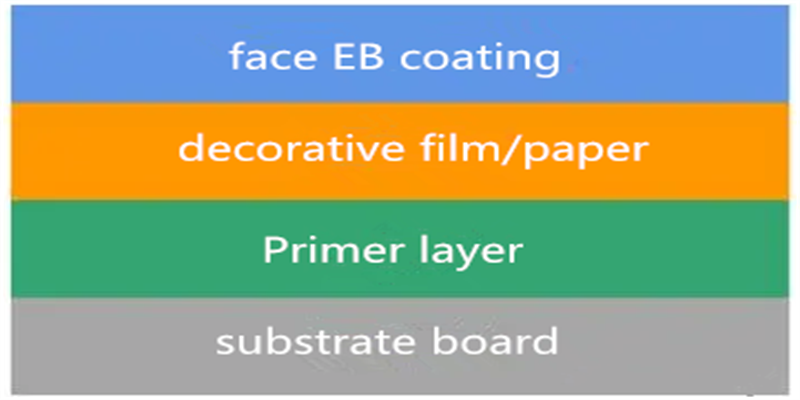
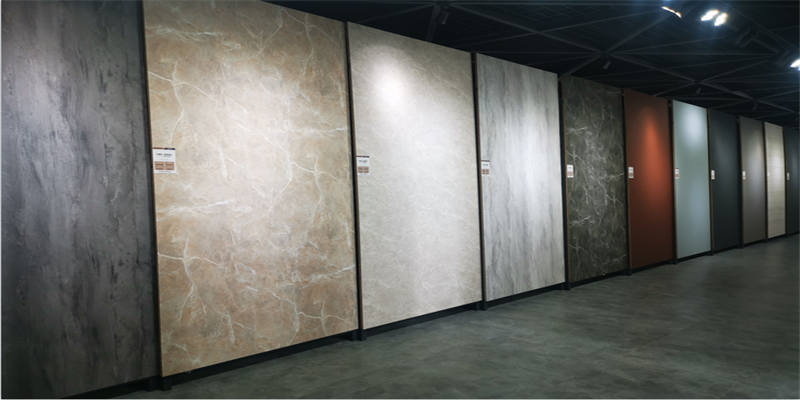
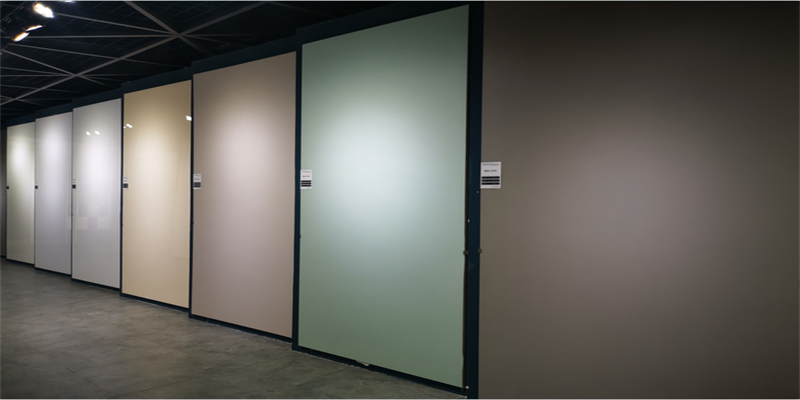
Mainly used for surface coating of home decoration panels such as doors, windows, wardrobes, etc. Considering the high VOC of traditional solvent based coatings, which are harmful to human health, excessive photoinitiators in UV based coatings can have a foul odor and cannot be deeply cured, EB curing method is considered as an alternative to prepare various weather resistant, fingerprint resistant, wear-resistant, high gloss, mirror like, high fullness panels and decorative film materials, such as fiberboard, multi-layer board, OSB board, Particle board and foam board, etc. The structural manifestation is:

EB SINAI polymer film


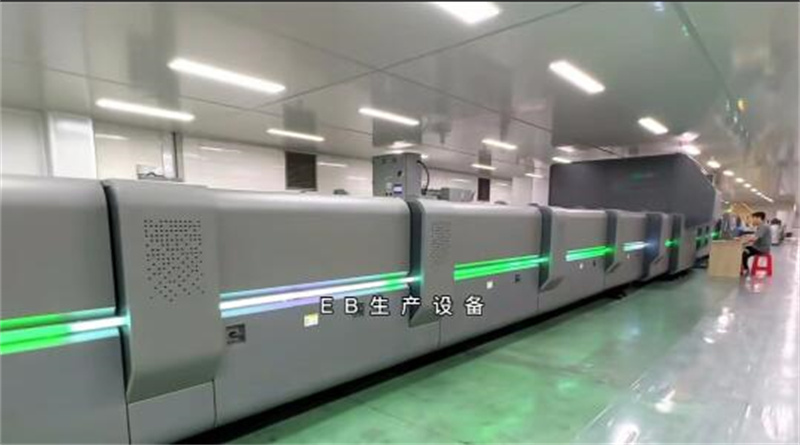
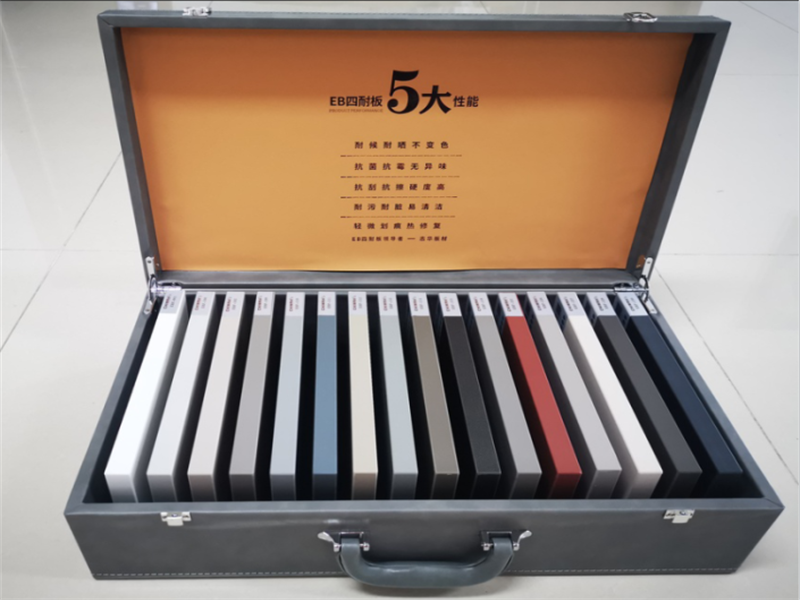
Special introduction to the EB four resistant plate manufactured by Zhihua Group using black technology EB process:

high gloss acrylic sheet


Available in various colors and styles: solid color series, wood grain series, stone grain series, cloth grain series, etc. Meet various design styles such as light luxury and minimalism in the home decoration industry.
EB SINAI decorative film

EB SINAI polymer film

high gloss acrylic sheet


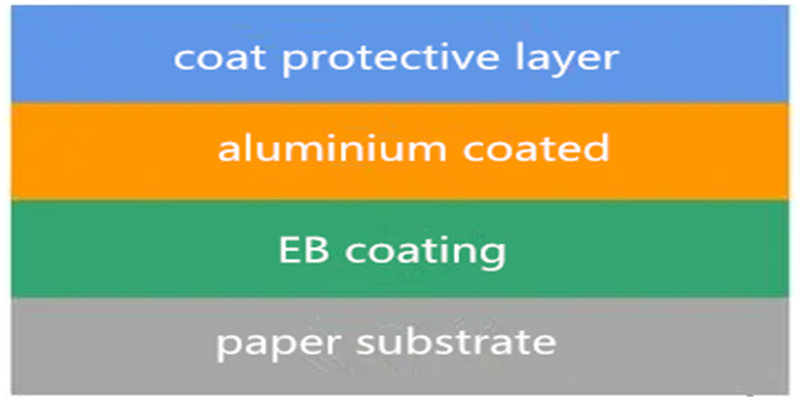
4.2  Aluminized paper


EB coating is mostly used to replace traditional heat curing solvent based or water-based coating coatings, as well as some high energy consuming solvent-free composite coatings. EB curing coatings can be directly applied to the surface of paper, and through the design of the coating formula, a coating layer with frosting, matte, and other effects is formed. At the same time, the strength of the coated paper increases, and it can directly enter the aluminum plating machine for aluminum plating.

EB SINAI decorative film


4.3  Surface coatings for medical devices, aerospace, etc


Apply EB coating on the surface of medical devices and use electron beam curing to prepare special functional coatings, especially through surface treatment to enhance antibacterial and efficacy effects.


Get Quote

top