
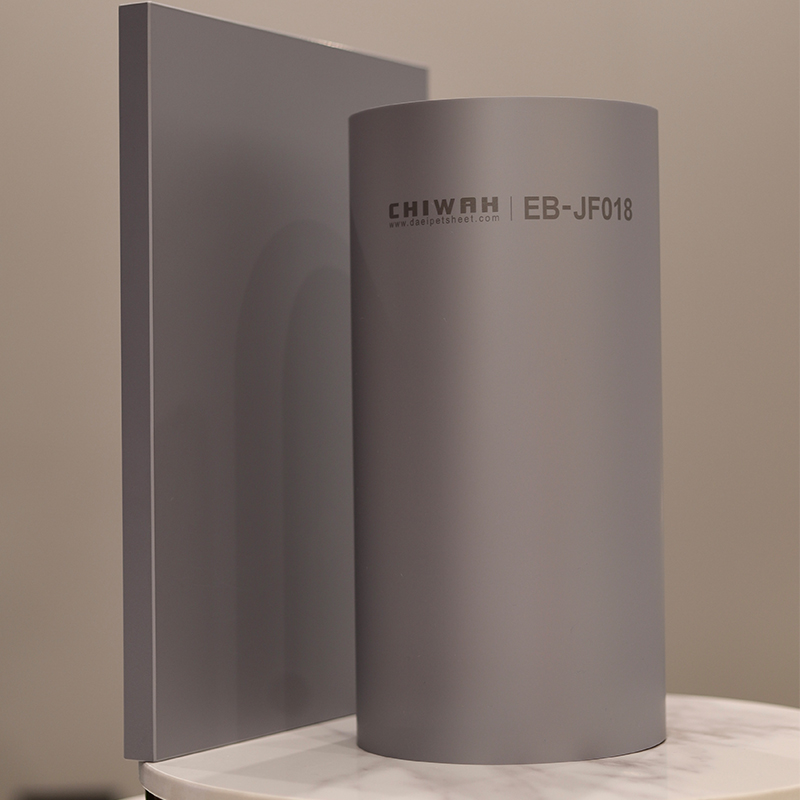
Medium-density fiberboard (MDF) has been widely used in furniture manufacturing and architectural decoration. However, as the scope of application expands, people have begun to pay attention to its insect-proof performance, especially its ability to prevent termites. Termites are one of the main pests that threaten wood products and wooden structures worldwide.
This article will discuss in detail the insect-proof performance of MDF boards, especially their ability to prevent termites, and analyze their advantages and limitations in the field of insect-proofing.
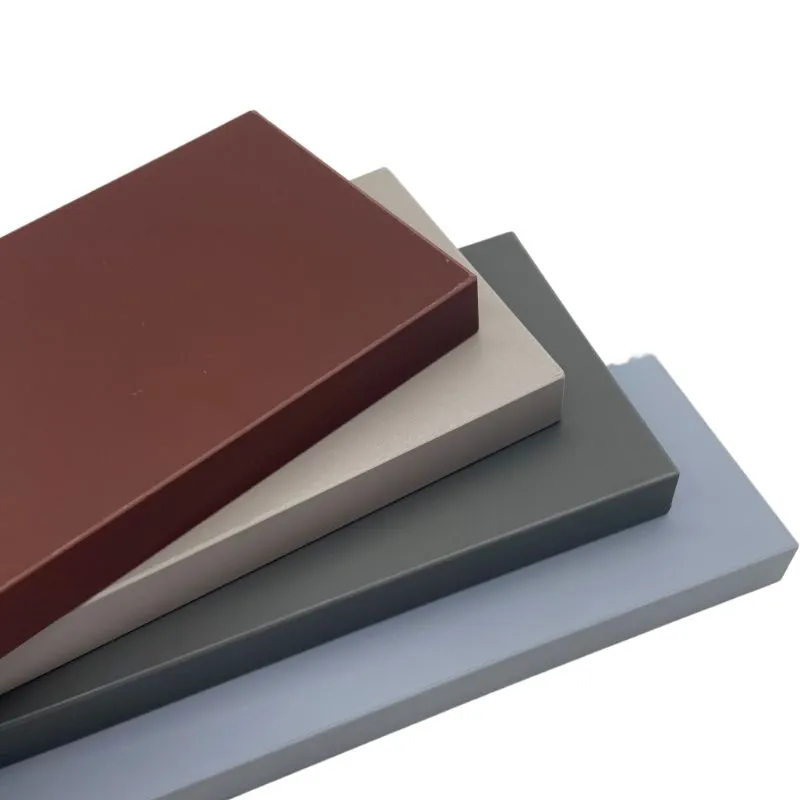
Manufacturing and characteristics of MDF boards
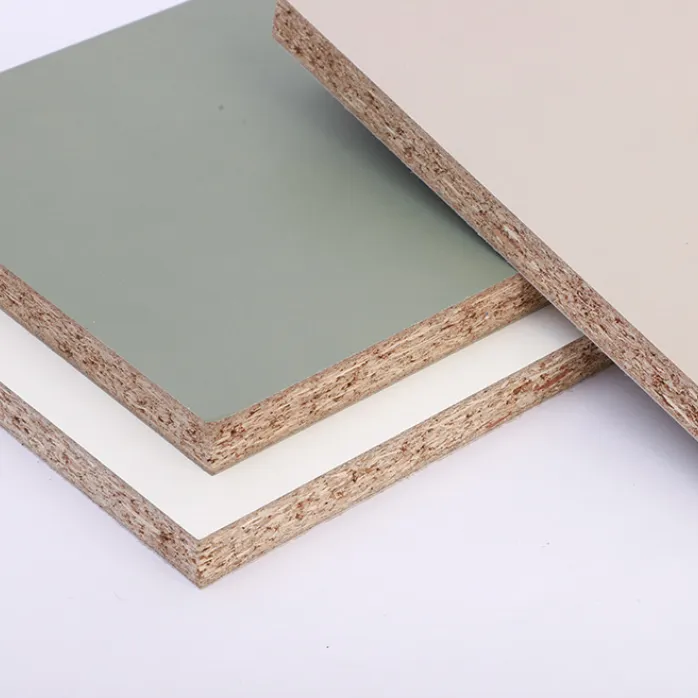
MDF boards are made by pressing wood fibers and resins under high temperature and high pressure. During its manufacturing process, the wood fibers are fully crushed and mixed with resins, making the board structure uniform and high in density. MDF boards have the advantages of smooth surface, easy processing, and moderate price. They are widely used in furniture, cabinets, door panels, wall decoration and other fields.
Analysis of insect-proof properties of MDF boards
● Threat of termites to wood:
Termites are insects that feed on wood and can quickly destroy wooden structures and wooden furniture. The harm of termites is not limited to solid wood, and many composite boards may also be affected. The damage caused by termites to wood is mainly reflected in the following aspects:
1. Structural damage: Termites eat the inside of wood, resulting in reduced wood strength and loose structure, which may eventually cause the collapse of buildings or furniture.
2. Appearance damage: Termite activities will leave obvious soil channels and holes, affecting the beauty and service life of wooden products.
Can MDF (medium density fiberboard) prevent termites?
1. Raw material characteristics: The main components of MDF board are wood fiber and resin. Although wood fiber is a potential food source for termites, the high temperature and high pressure pressing process makes MDF board dense and compact, making it difficult for termites to invade.
2. Chemical treatment: Insect repellents and preservatives are often added to modern MDF boards during the manufacturing process. These chemical additives can effectively inhibit the invasion of termites and other pests. For example, boron compounds and other insect repellent chemicals are often used to enhance the insect repellent performance of MDF boards.
3. Physical barrier: The high density and uniform structure of MDF boards themselves constitute a physical barrier that hinders the invasion of termites. Compared with loose solid wood structures, it is more difficult for termites to move through and reproduce in MDF boards.
Testing the insect-proof performance of MDF boards
Studies have shown that MDF boards with added insect repellents can effectively resist termites and other wood pests under laboratory conditions. For example, in experimental tests conducted in Australia and the United States, MDF boards containing insect repellents showed strong tolerance in simulated termite invasion environments. The test results showed that the treated MDF boards can effectively resist the gnawing and damage of termites, and their insect-proof effect is better than untreated ordinary wood.
Advantages and disadvantages of insect-proof properties of MDF boards
● Advantages:
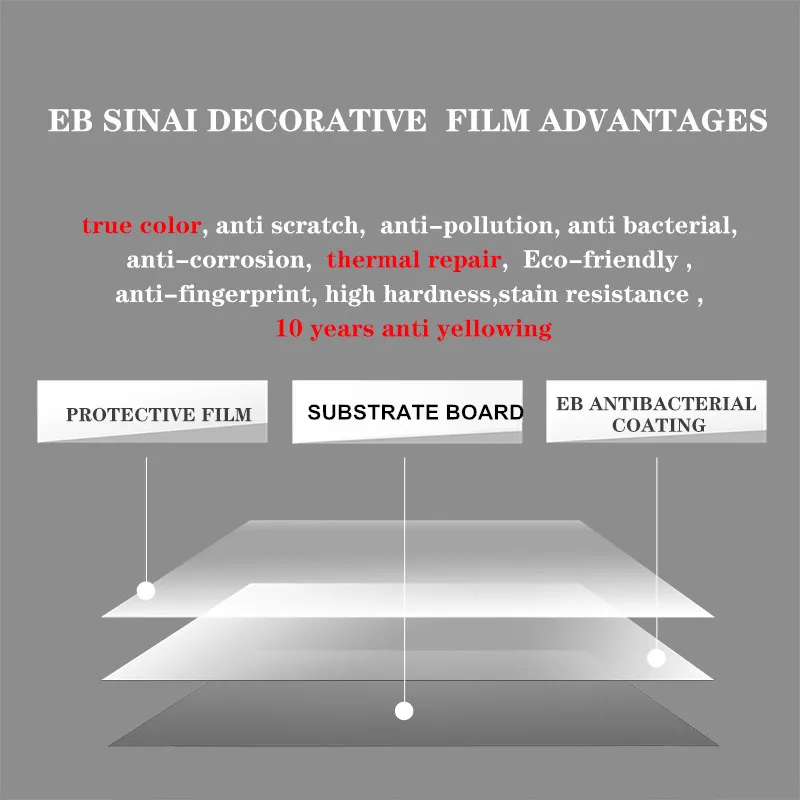
1. Good insect-proof performance: Chemically treated MDF boards can effectively prevent termites and other pests and extend the service life of the boards.
2. High cost-effectiveness: Compared with other insect-proofing measures, such as solid wood insect-proofing treatment and metal barriers, MDF boards are low in cost and have a high cost-effectiveness.
3. Environmentally friendly: Most of the insect repellents used in modern MDF boards are low-toxic or non-toxic chemicals, which have little impact on the environment and human health.
● Disadvantages
1. Durability of chemical additives: Although insect repellents can effectively prevent pests, their effectiveness may weaken over time and require regular inspection and maintenance.
2. Limited application environment: In environments with extremely high humidity or long-term exposure to water, the insect repellent effect of MDF boards may be affected, so additional waterproof and moisture-proof treatment is required when used in these environments.
3. Potential environmental issues: Although most modern insect repellents have little impact on the environment and human body, it is still necessary to pay attention to environmental issues during their manufacture and use to ensure compliance with relevant environmental regulations and standards.
Practical advice for purchasing and using MDF boards
1. Choose treated MDF boards: When purchasing and using MDF boards, give priority to products that have been treated with insect repellents. Understand the production process of the product and the type of insect repellent to ensure that it has good insect repellent performance.
2. Regular inspection and maintenance: Even if insect repellent-treated MDF boards are used, the status of the boards should be checked regularly, especially in high humidity and humid environments, and necessary protection and maintenance should be carried out in time to ensure their long-term use effect.
3. Combine with other insect prevention measures: In high-risk areas, it is recommended to combine other insect prevention measures, such as using physical barriers, insect-proof paint or environmental management, to comprehensively improve the insect prevention effect. For example, carry out termite prevention treatment around the building foundation, or use insect-proof mats where the furniture touches the ground.
4. Environmental control: Controlling the humidity and ventilation conditions of the use environment, keeping it dry and ventilated, can help prevent the breeding of termites and other pests. In humid areas, it is recommended to install dehumidification equipment or choose moisture-proof boards designed for high humidity environments.
Conclusion
In summary, after insect-proof treatment, MDF board has certain termite and insect-proof capabilities and can provide effective protection in most application scenarios. However, its insect-proof performance may be affected in high humidity environments, and it needs to be combined with other protective measures to ensure long-term effects.
By choosing the right MDF board products and adopting a comprehensive insect-proof strategy, users can effectively prevent termites and other pests and extend the service life of boards and wood products.