
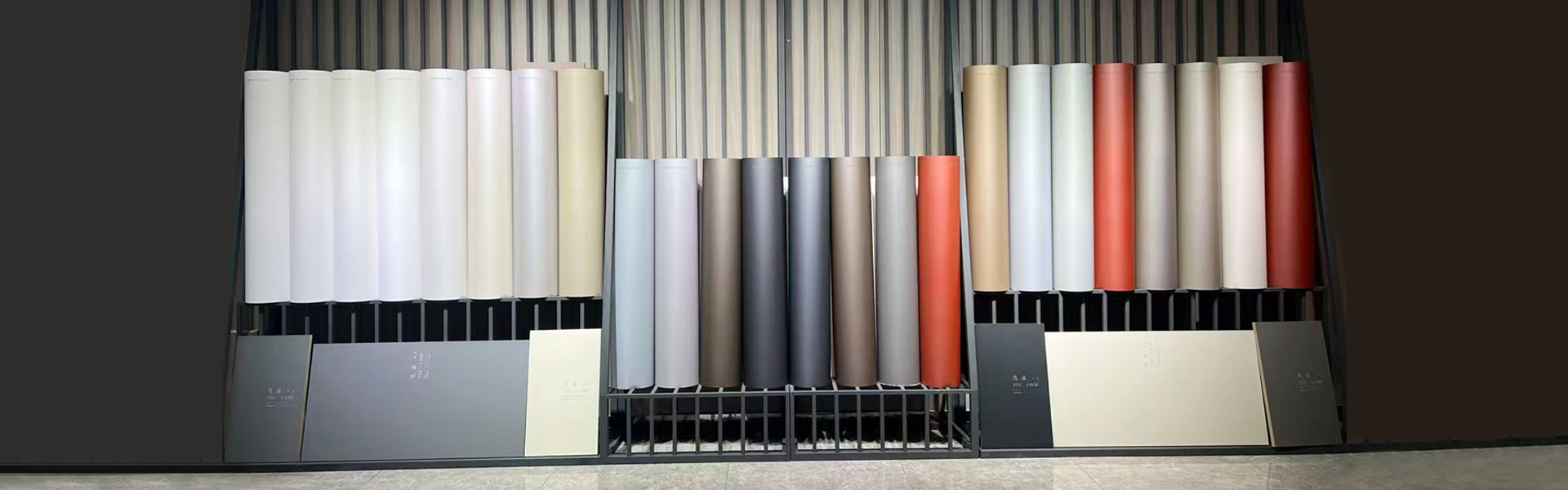
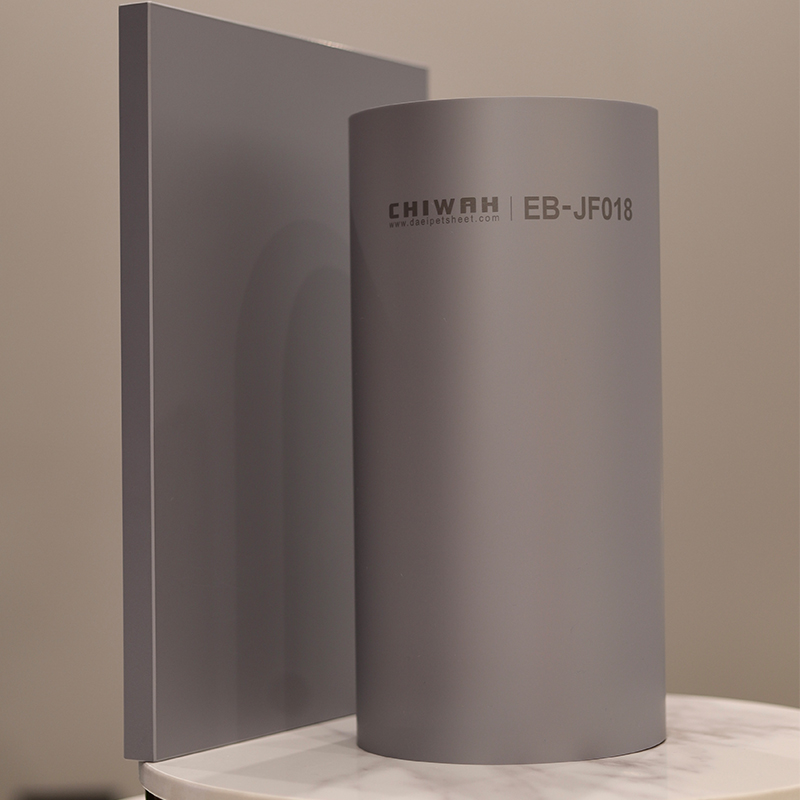
The MDF (Medium Density Fibreboard) market has experienced significant growth globally in recent years. MDF is widely used in furniture manufacturing, architectural decoration and other wood products due to its high cost performance and versatility.
This article will delve into the current market price of MDF boards and compare them with other common boards to help readers better understand their market positioning and competitive advantages.
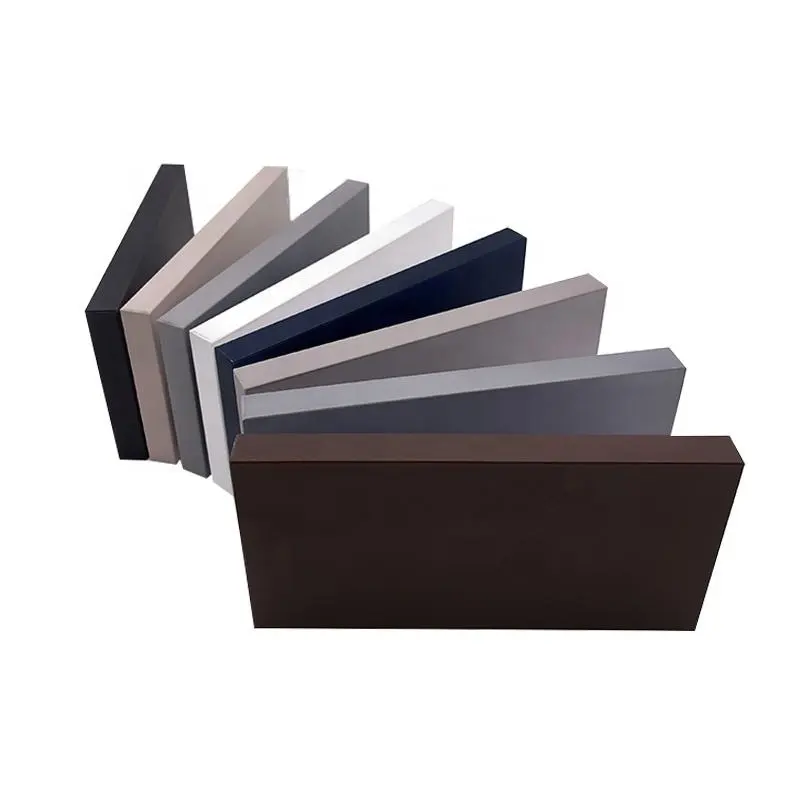
How much does MDF (medium density fiber) board cost?
As of June 2024, the average market price of MDF boards ranges from approximately US$400 to US$600 per cubic meter. This price range is affected by multiple factors, including raw material costs, production processes, regional market demand and transportation costs.
1. Raw material cost: MDF board is mainly made of wood fiber, resin and wax. The source and cost of wood fiber directly affect the price of MDF boards. In recent years, due to the strengthening of forest resource management and the promotion of environmental protection policies, the price of log materials has increased, thus driving up the price of MDF boards.
2. Production process: The production of MDF boards involves a high-temperature and high-pressure pressing process. The advanced level of production equipment and the degree of optimization of the process flow directly affect the production cost. Some technologically advanced manufacturers are able to reduce production costs by optimizing process flows, thereby having a certain competitive advantage in price.
3. Regional market demand: Different regions have different demands for MDF boards, and market demand directly affects the price. For example, in areas with developed furniture manufacturing industries, such as China, Europe and North America, the demand for MDF boards is large and the price is relatively high. In areas with lower demand, prices are relatively lower.
4. Transportation costs: As a bulk commodity, MDF boards’ transportation costs are also an important part of the price. Especially for cross-border transportation, the tariffs and logistics costs involved will have an impact on the final market price.
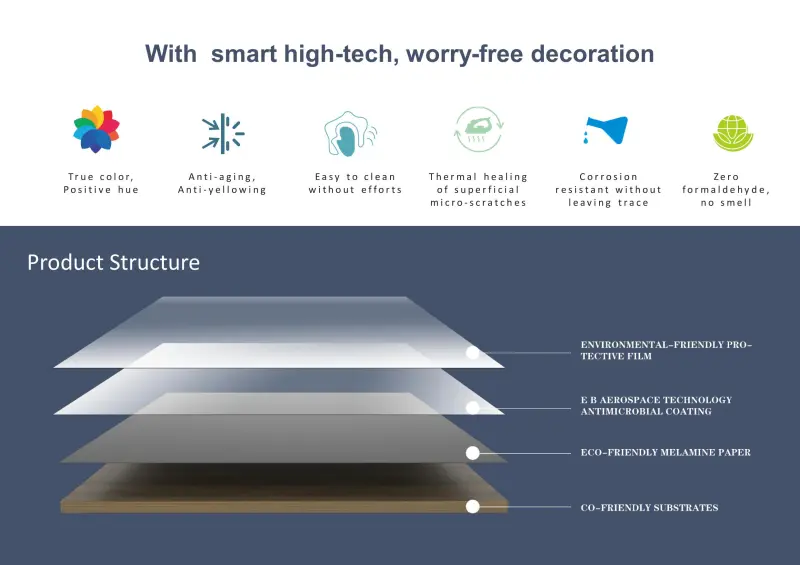
What is the difference between MDF board and other boards?
In the field of construction and furniture manufacturing, in addition to MDF boards, there are several other common boards, such as plywood, particle board and solid wood board. Various types of boards vary in price, performance, and use.
1. Plywood (Plywood): Plywood is made of multiple layers of wood veneer laminated crosswise. Its price is usually higher than MDF board, about US$500 to US$800 per cubic meter. Plywood offers greater strength and durability, making it suitable for structurally demanding building and furniture components. However, plywood is not as smooth and workable as MDF boards, especially in applications that require fine surface preparation.
2. Particle Board: Particle board is made of wood chips such as wood chips and shavings and pressed with glue. Its price is usually lower than MDF board, about US$200 to US$400 per cubic meter. Particleboard has low density and strength and is easily deformed by moisture. It is mainly used in applications that do not require high strength and appearance, such as temporary structures or low-end furniture.
3. Solid Wood: Solid wood boards are made from a whole piece of wood. Their prices vary depending on the type and quality of the wood, generally ranging from US$1,000 to more than US$3,000 per cubic meter. Solid wood boards have natural wood grain and texture and are suitable for high-end furniture and decoration. However, the resources of solid wood boards are limited, the price is high and they are easy to deform and crack. Today, with the increasing awareness of environmental protection, the usage has decreased.

Market prospects of MDF boards
With the continued development of the global economy and people's emphasis on environmentally friendly materials, the market prospects for MDF boards are still broad. The following points will further promote the development of the MDF board market:
1. Improvement of environmental awareness: MDF boards are produced using wood waste, which reduces resource waste and is in line with the concept of sustainable development. Driven by environmental protection policies, more and more companies and consumers tend to choose MDF boards.
2. Technological progress: The continuous improvement of production processes and the application of new materials have further improved the performance of MDF boards. For example, the introduction of new products such as moisture-proof MDF boards and fire-proof MDF boards has broadened the application scope of MDF boards.
3. Growth of market demand: Especially in the Asia-Pacific region, rapid urbanization and the booming construction industry have driven huge demand for MDF boards. At the same time, the continued growth of the furniture industry has also provided stable market demand for MDF boards.

In conclusion
To sum up, MDF boards have broad development prospects in the global market due to their high cost performance, versatility and environmental protection characteristics. Although the current price of MDF boards is affected by many factors, it still has significant competitive advantages compared with other boards.
When choosing suitable boards, consumers should comprehensively consider the characteristics and prices of various types of boards based on specific needs and budgets to make the best decision. Whether for enterprises or individual users, understanding MDF boards and their market dynamics is an important step to achieve efficient use of resources and reduce costs.